
Business
Bridging the Gap: How to Manage a Multigenerational Workforce Effectively


A multigenerational workforce means having employees from different age groups working side by side. Nowadays, offices often include Baby Boomers, Gen X, Millennials, and Gen Z. This rising age diversity is a growing trend worldwide.
While it might seem tricky to manage such variety, it actually offers a fantastic chance to turn differences into strengths. By understanding and valuing each generation’s unique qualities, leaders can build teams that are creative, dynamic, and inclusive. The key is to bridge the gap and embrace diversity rather than let it divide. This blog will explore how to make that happen smoothly and successfully.
1. Know Your Generations
At work today, you’ll commonly find four generations: Baby Boomers (1946–1964), Gen X (1965–1980), Millennials (1981–1996), and Gen Z (1997 onwards). Each group has its own values, communication styles, and ways of working.
Baby Boomers often value loyalty and prefer personal interaction. Gen X tends to be independent and practical, favouring work-life balance. Millennials seek feedback and embrace technology, while Gen Z are digital natives, used to fast communication.
Understanding these differences is the first step to effective leadership. It helps you tailor your management style, avoid misunderstandings, and ensure everyone feels respected and included.
2. Embrace Diverse Perspectives
A multigenerational team brings fresh ideas and innovation. When generations collaborate, they combine decades of experience with new, creative thinking.
For example, a project team with Baby Boomers and Gen Z might merge traditional industry knowledge with cutting-edge tech skills, producing better results. Embracing these diverse perspectives encourages innovation and problem-solving.
Instead of comparing or competing, promote collaboration where each generation learns from the other. This inclusive approach helps build trust and unlocks the full potential of your team.
3. Tailor Communication Styles
Communication preferences vary widely across generations. Baby Boomers may favour phone calls or face-to-face meetings, while Millennials and Gen Z often prefer instant messages or emails.
To lead effectively, tailor your approach. Use technology to reach younger workers, but don’t neglect personal contact for those who value it more. Make sure messages are clear and respectful.
Encourage an open dialogue where everyone feels comfortable sharing ideas, questions, and concerns. This helps bridge gaps and builds a culture of understanding.
4. Offer Flexible Learning and Development
Everyone learns differently. Some prefer classroom-style training, others thrive with online courses or hands-on experience.
By offering a mix of learning options, you can support all generations. Mentorship schemes work well – experienced workers share knowledge, while younger staff can offer fresh skills in return through reverse mentoring.
Digital tools can also help bridge comfort levels with technology, making training accessible and inclusive. Investing in flexible development benefits both employees and the organisation.
5. Balance Work Expectations
Generations have different ideas about work-life balance, feedback, and career progression. Younger employees may seek flexible hours and frequent check-ins, while older workers often prefer structure and clear career paths.
As a manager, support flexibility fairly across the team without favouring any group. Focus on shared goals and encourage respect for different needs.
When people feel their expectations are understood and honoured, motivation and productivity increase for everyone.
6. Foster Mutual Respect
Respect is the cornerstone of a successful multigenerational workplace. Leaders should promote appreciation for every individual’s experience and skills.
Challenge stereotypes and age-related bias openly. Older employees aren’t outdated, and younger workers aren’t inexperienced.
Creating an environment where all voices are heard fosters a positive culture. When respect flows freely, collaboration and trust flourish naturally.
7. Lead with Empathy and Adaptability
Emotional intelligence is crucial in managing diverse teams. Good leaders listen carefully, show empathy, and adapt their style when needed.
Encourage activities that bring different generations together, building understanding and friendships.
By modelling empathy and flexibility, leaders create a workplace where everyone feels valued and supported, no matter their age.
Generations at a Glance: Key Traits and Preferences
| Generation | Birth Years | Key Values | Communication Style | Work Preferences |
|---|---|---|---|---|
| Baby Boomers | 1946 – 1964 | Loyalty, experience | Face-to-face, phone | Structure, stability |
| Gen X | 1965 – 1980 | Independence, balance | Email, phone | Flexibility, work-life balance |
| Millennials | 1981 – 1996 | Feedback, purpose | Digital, instant message | Growth, frequent feedback |
| Gen Z | 1997 onwards | Technology, diversity | Text, social media | Flexibility, fast communication |
Conclusion
Age diversity in the workplace is a powerful asset. By understanding generations, embracing their unique strengths, and leading with respect and empathy, you can build a thriving, innovative team.
Start today by bridging gaps, not creating barriers. Celebrate what each generation brings to the table and watch your workplace flourish.


Understanding Truck Finance Basics
Truck finance plays a major role in helping businesses manage costs while growing their operations. Instead of paying a large upfront amount, finance options allow businesses to spread the cost over time. This makes it easier to maintain cash flow and invest in other areas such as staffing, fuel, or maintenance.
In Melbourne, transport and logistics businesses often rely on flexible finance solutions to stay competitive. From small delivery vans to large commercial trucks, different vehicles require different funding approaches. Understanding how truck finance works helps business owners choose options that suit their budget and long-term goals.
Why Truck Finance Melbourne Is So Important
Choosing the right Truck Finance Melbourne solution can directly affect how smoothly a business operates. A well-structured finance plan ensures manageable repayments while keeping enough cash available for daily expenses. This balance is essential for businesses that depend on consistent vehicle performance.
Local finance options are designed with Melbourne’s business environment in mind. Factors such as road use, demand for transport services, and operating costs all influence financing decisions. By selecting the right truck finance in Melbourne, businesses can avoid unnecessary financial pressure and focus on growth.
Types of Truck Finance Options Available
There are several truck finance options available, each designed to suit different business needs. Understanding these options helps in making a smarter decision that aligns with financial capacity and usage requirements.
Common finance types include:
- Chattel mortgage, where the business owns the truck while repaying the loan
- Finance lease, allowing use of the truck without immediate ownership
- Operating lease, suitable for short-term or flexible needs
- Hire purchase, where ownership transfers after the final payment
Each option has its own benefits and conditions. Choosing the right one depends on how the truck will be used, how long it will be needed, and the financial goals of the business.
How to Choose the Right Truck Finance Melbourne Plan
Selecting the right Truck Finance Melbourne plan involves more than comparing interest rates. Business owners need to look at repayment terms, flexibility, and overall cost. A lower monthly repayment may seem attractive, but it could lead to higher total costs over time.
It is also important to consider how the truck will be used daily. For example, long-haul operations may require a different finance structure compared to local delivery services. A well-matched Truck Finance Melbourne plan ensures that repayments remain manageable while supporting business operations effectively.
Key Benefits of Smart Truck Financing
Choosing the right finance option offers several advantages that go beyond simply acquiring a vehicle. It can improve financial stability and support long-term business success.
Some key benefits include the following:
- Better cash flow management by spreading costs over time
- Access to newer and more reliable vehicles
- Potential tax advantages depending on the financial structure
- Flexibility to upgrade vehicles as business needs change
- Reduced financial strain compared to a full upfront payment
These benefits make truck finance a practical choice for businesses looking to grow without putting pressure on their finances.
Common Mistakes to Avoid in Truck Finance Melbourne
Many businesses make avoidable mistakes when choosing truck finance Melbourne options. These mistakes can lead to higher costs or financial stress in the long run. Being aware of these issues helps in making better decisions.
Some common mistakes include:
- Focusing only on low monthly repayments without considering the total cost
- Ignoring hidden fees or additional charges
- Choosing a finance term that does not match the truck’s usage
- Not reviewing contract details carefully
- Failing to compare multiple finance options
Avoiding these mistakes ensures a smoother financing experience and helps businesses stay in control of their budgets.
Factors That Affect Approval and Rates
Several factors influence whether a truck finance application is approved and what interest rate is offered. Understanding these factors can improve the chances of securing a better deal.
Lenders typically consider business income, credit history, and financial stability. A strong financial record often leads to better terms and lower interest rates. The type and age of the truck may also play a role, as newer vehicles are generally seen as lower risk.
Preparing financial documents in advance and maintaining a good credit profile can make the process quicker and more efficient. This preparation helps businesses secure finance options that align with their needs.
Making the Most of Truck Finance Melbourne
Getting the most out of Truck Finance Melbourne requires careful planning and ongoing management. It is not just about securing finance but also about using it effectively to support business growth.
Businesses can maximise benefits by regularly reviewing their finance agreements and adjusting plans as needed. Keeping track of repayments and maintaining the vehicle properly also helps protect the investment. With the right approach, Truck Finance Melbourne can become a valuable tool for building a strong and sustainable transport business.

Why Tax Time Feels Stressful for Many People
Tax time often arrives with a mix of confusion, deadlines, and paperwork. Many individuals and business owners are unsure which records are needed, what deductions may apply, or how to avoid mistakes. Even a simple return can feel overwhelming when financial documents are scattered or when rules seem unclear.
For busy people, tax obligations can quickly become another task pushed to the bottom of the list. That delay may lead to rushed decisions, missed claims, or unnecessary stress. Having the right support can turn tax time into a far smoother process.
How a tax agent in Brisbane Simplifies the Process
A tax agent in Brisbane helps take the pressure out of lodging returns and managing tax responsibilities. Instead of guessing what is required, clients receive guidance on documents, deadlines, and the correct way to prepare their information.
Working with a tax agent in Brisbane can also save time. Rather than spending hours researching rules or filling out forms, people can rely on professional support that keeps the process clear, organised, and efficient.
Common Tax Challenges People Face
Many taxpayers run into the same problems each year. These issues often lead to delays, missed deductions, or avoidable errors.
Common challenges include:
- Lost or incomplete receipts
- Unclear work-related claims
- Confusion about investment income
- Missed deadlines
- Errors in personal details
- Uncertainty about business expenses
- Poor record-keeping throughout the year
Recognising these common issues is the first step towards handling tax matters more confidently.
Why a tax agent in Brisbane Can Improve Outcomes
Tax returns are not only about meeting obligations. They are also about ensuring the right claims are made and financial records are handled properly. A tax agent in Brisbane can review a person’s situation and identify opportunities that may otherwise be overlooked.
This may include legitimate deductions, better record management, or advice relevant to changing circumstances, such as new employment, rental income, or side business earnings. A tax agent in Brisbane helps clients make informed decisions instead of relying on guesswork.
Benefits Beyond Tax Return Lodgement
Many people think tax professionals are only useful once a year. In reality, tax guidance can be valuable throughout the year for planning and better financial control.
Key benefits include the following:
- Accurate tax return preparation
- Help understanding deductions
- Reduced risk of mistakes
- Better organisation of records
- Advice for sole traders or businesses
- Support with ATO correspondence
- More confidence during tax season
- Time saved on paperwork
These practical advantages can make tax support worthwhile long after lodgement day.
When a tax agent in Brisbane Is Especially Useful
Some situations are more complex than a standard employee return. In these cases, expert guidance can make a major difference to accuracy and peace of mind. A tax agent in Brisbane is often especially useful when finances involve multiple income sources or changing circumstances.
Examples include:
- Owning rental property
- Running a small business
- Contract or freelance income
- Capital gains events
- Share investments
- Late or overdue returns
- Major life changes, such as separation
Handling these matters correctly can prevent future complications.
Tips to Make Tax Time Easier Every Year
Good habits throughout the year can reduce stress when tax time arrives. Staying organised often leads to a faster and smoother experience.
Helpful tips include:
- Keep receipts in one place
- Track work-related expenses regularly
- Update bank and contact details
- Separate business and personal spending
- Store digital copies of documents
- Review finances before deadlines
- Ask questions early if unsure
Simple preparation can save hours later and reduce last-minute pressure.
Better Support Means Better Financial Control
Tax time should not feel like a yearly crisis. With the right approach, it can become a useful opportunity to review finances, improve records, and make smarter decisions for the future. Many people only seek help after problems arise, but earlier support often creates better outcomes.
A tax agent in Brisbane provides practical assistance for individuals, investors, and business owners who want tax matters handled properly. From routine returns to more complex situations, professional guidance can make the entire process easier, clearer, and more rewarding.
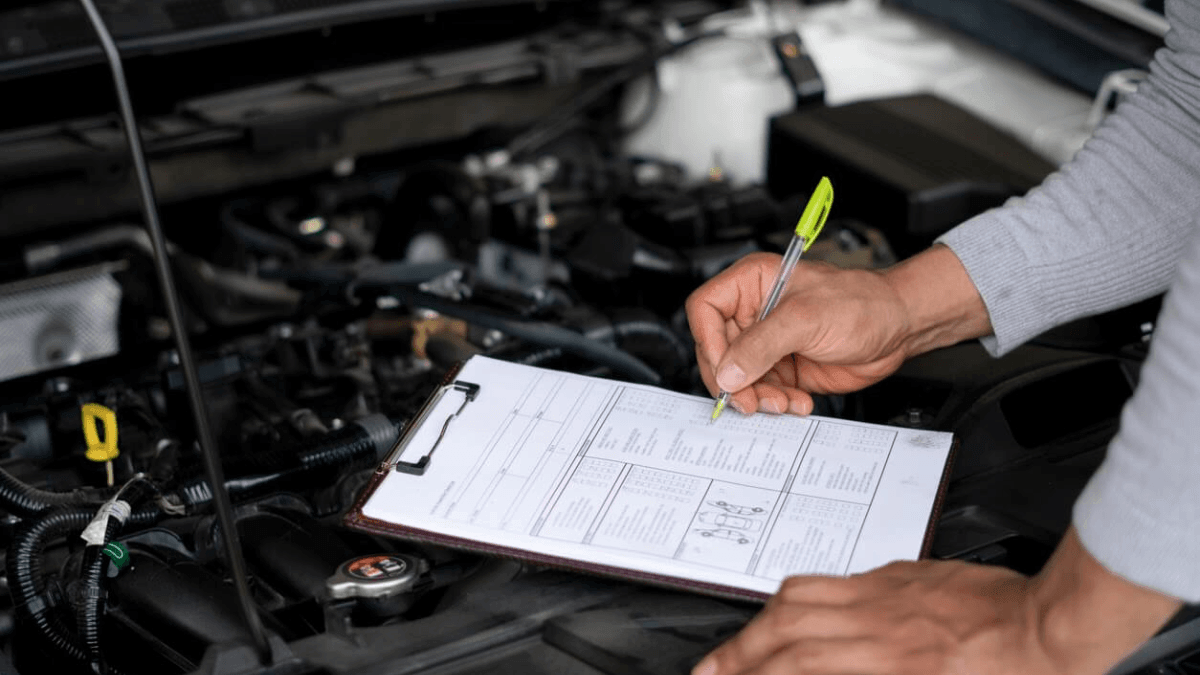
What Is Logbook Servicing and Why Does It Matter
Logbook servicing refers to a structured maintenance schedule set by a vehicle’s manufacturer. It outlines when specific checks, replacements, and adjustments should be carried out to keep a car running as intended. Each service is recorded in the vehicle’s logbook, creating a clear history of maintenance.
Following this schedule is essential not just for performance, but also for protecting the manufacturer’s warranty. Skipping or delaying services can lead to issues that may not be covered later. Regular servicing ensures that small problems are identified early, preventing larger and more expensive repairs down the line.
Why Logbook Service Karratha Is Essential for Local Drivers
In regions like Karratha, driving conditions can be demanding due to heat, dust, and long travel distances. This makes regular maintenance even more critical. A professional logbook service in Karratha ensures that vehicles are inspected according to manufacturer standards while taking local conditions into account.
A typical service includes:
- Engine oil and filter replacement
- Brake system inspection
- Fluid level checks and top-ups
- Tyre condition and pressure assessment
- Battery performance testing
These checks are designed to maintain vehicle reliability, especially in environments where wear and tear can occur faster than usual.
How Logbook Servicing Protects Your Warranty
One of the most important benefits of logbook servicing is warranty protection. Manufacturers require that vehicles be serviced according to their guidelines, using approved parts and methods. Failing to meet these conditions can void warranty coverage.
By adhering to the logbook schedule, vehicle owners ensure that:
- All maintenance is documented and verifiable
- Genuine or approved parts are used
- Services meet manufacturer specifications
This not only protects against unexpected repair costs but also maintains the vehicle’s resale value. A complete service history is often a strong selling point when it comes time to upgrade or sell.
What to Expect from a Logbook Service Karratha
Choosing a logbook service Karratha means receiving a service tailored to the specific make and model of the vehicle. Each service interval focuses on different components, depending on mileage and time.
Common inclusions may involve:
- Inspection of belts, hoses, and critical engine components
- Replacement of air and cabin filters
- Suspension and steering system checks
- Diagnostic scans to detect hidden issues
This detailed approach ensures that every part of the vehicle is assessed at the right time, reducing the likelihood of unexpected breakdowns and improving overall safety.
Performance Benefits of Staying on Schedule
Consistent logbook servicing plays a direct role in maintaining vehicle performance. Engines run smoother, fuel efficiency improves, and handling remains stable when all components are properly maintained.
Drivers may notice improvements such as:
- Better fuel economy due to clean filters and efficient combustion
- Reduced engine noise and smoother operation
- Improved braking response and safety
- Longer lifespan of key components
Ignoring scheduled servicing can lead to gradual performance decline. Over time, this may result in higher running costs and decreased reliability, especially in demanding driving environments.
Long-Term Value of Logbook Service Karratha
Investing in a logbook service karratha provides long-term financial and practical benefits. While some may view servicing as an expense, it is more accurately an investment in the vehicle’s future.
Key long-term advantages include:
- Lower risk of major mechanical failures
- Consistent vehicle performance over time
- Higher resale value with a complete service record
- Reduced overall maintenance costs through early issue detection
Regular servicing helps avoid sudden breakdowns, which can be both costly and inconvenient, particularly in remote or high-temperature areas.
Choosing the Right Service Provider
Selecting a qualified service provider is just as important as following the schedule itself. A reliable technician understands manufacturer requirements and uses the correct tools and parts for each service.
When evaluating a service provider, consider:
- Experience with the specific vehicle brand
- Use of approved or genuine parts
- Clear and accurate service documentation
- Transparent pricing and detailed reporting
A trusted professional ensures that every service meets required standards, keeping both performance and warranty intact.
Practical Tips for Keeping Your Vehicle on Track
Maintaining a vehicle between scheduled services can further enhance performance and reliability. Simple checks and habits can make a noticeable difference.
Helpful tips include:
- Regularly checking engine oil and coolant levels
- Monitoring tyre pressure and tread condition
- Listening for unusual sounds or vibrations
- Keeping the vehicle clean to prevent dust build-up
These small actions support the work done during logbook servicing and help maintain the vehicle’s condition between appointments.
Conclusion: A Smart Approach to Vehicle Care
Logbook servicing is more than a routine requirement; it is a structured approach to maintaining vehicle performance, safety, and warranty protection. In a place like Karratha, where driving conditions can be challenging, following the manufacturer’s schedule becomes even more important.
By staying consistent with servicing, vehicle owners can enjoy reliable performance, reduced repair costs, and peace of mind. Whether it’s preserving warranty coverage or ensuring long-term efficiency, logbook servicing remains a practical and essential part of responsible vehicle ownership.

The Travel Convenience More Carrum Downs Residents Are Starting to Appreciate

Are You Financing Your Trucks the Right Way in Melbourne?

Need Plumbing Support? Find the Right Plumber in Randwick Easily

Not Sure Where to Start with SIL Providers in Melbourne? Here’s How the Right Provider Makes a Difference

What is Physiotherapy? A Complete Guide to Understanding Its Role in Health

How Much Does It Cost to Replace a Dental Implant in Melbourne Without Losing Your Smile or Wallet?
-
 Healthcare1 year ago
Not Sure Where to Start with SIL Providers in Melbourne? Here’s How the Right Provider Makes a Difference
-
 Healthcare1 year ago
What is Physiotherapy? A Complete Guide to Understanding Its Role in Health
-
 Healthcare1 year ago
How Much Does It Cost to Replace a Dental Implant in Melbourne Without Losing Your Smile or Wallet?
-

 Healthcare1 year ago
What Happens After You Start SIL? A Closer Look at the Journey
-

 Food1 year ago
Budget Bites: Delicious Meals You Can Cook for Under $10
-

 Healthcare1 year ago
Regular Community Participation That Builds Belonging—and a Life You Control
-

 Healthcare1 year ago
5 Signs You Need to See a Psychologist – And Why It’s Totally Okay!
-

 General1 year ago
7 Guttering Upgrades That Instantly Make Your Home More Attractive to Buyers