
Food
Budget Bites: Delicious Meals You Can Cook for Under $10

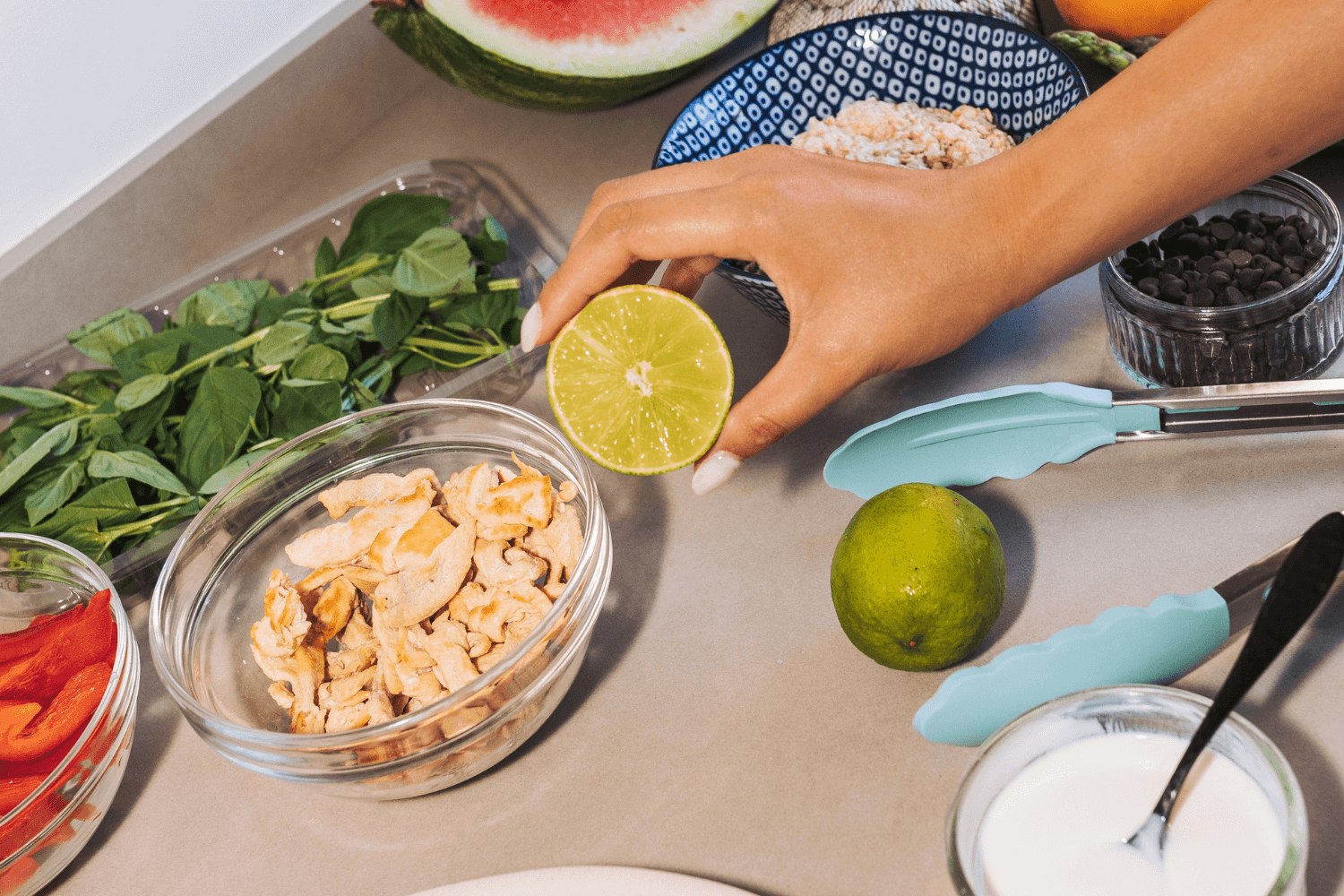
Let’s be honest – food shopping isn’t as cheap as it used to be.
Between rising grocery prices and busy schedules, eating well can feel like a luxury.
But what if we told you that tasty, filling meals don’t need to cost more than a tenner?
With the right ingredients and a bit of creativity, you can whip up mouth-watering dishes that go easy on your wallet.
This blog is your go-to guide for budget-friendly cooking. Whether you’re a student, a parent, or just someone watching their spending, you’ll find recipes here that are both satisfying and affordable.
We’ve kept things simple – each meal costs less than $10 to make, and most serve three to four people. So you’re not just saving money – you’re feeding the whole family for less!
Plus, we’ve included easy cost breakdowns, helpful tips, and a handy chart to make planning even easier. Let’s cook smart – and eat even better!
1. One-Pot Veggie Pasta
If you’re after comfort food that’s quick, tasty, and kind on your pocket, this one’s a winner.
One-pot veggie pasta is a no-fuss dish that brings together simple ingredients in the most satisfying way.
All you need is a packet of pasta, a tin of chopped tomatoes, garlic, onion, spinach, and a pinch of dried herbs.
Throw everything into one pot with a splash of olive oil and a bit of water.
Let it simmer, stir now and then – and within 20 minutes, dinner is served!
This dish is perfect for using up leftover veg too.
Carrots, peas, capsicum – they all fit right in.
Add cheese on top if you’ve got some spare change left in your budget!
Ingredients & Cost
| Ingredient | Quantity | Est. Cost (AUD) |
|---|---|---|
| Pasta | 500g | $1.50 |
| Chopped Tomatoes | 400g tin | $1.20 |
| Onion & Garlic | 1 each | $1.00 |
| Spinach (frozen) | 150g | $1.50 |
| Mixed Herbs/Oil | Pantry items | – |
| Total | $5.20 |
Serves 3–4 – Cost per serve: $1.30–$1.73
2. Chickpea Curry & Rice
Warm, hearty, and full of flavour – chickpea curry is a budget superstar.
It’s packed with protein, rich in spices, and surprisingly easy to make.
Grab a tin of chickpeas, some coconut milk, onion, curry powder, and a cup of rice.
Sauté the onion, stir in the spices, add chickpeas and coconut milk, and simmer until creamy.
Serve it over fluffy rice, and enjoy a rich, comforting meal that tastes like a hug in a bowl.
It’s perfect for meal prepping too.
Store leftovers for the next day – the flavour gets even better!
Ingredients & Cost
| Ingredient | Quantity | Est. Cost (AUD) |
|---|---|---|
| Chickpeas (tinned) | 400g | $1.00 |
| Coconut Milk | 400ml | $1.60 |
| Onion & Garlic | 1 each | $1.00 |
| Curry Powder | 1 tbsp | $0.30 |
| Rice | 1 cup (dry) | $1.00 |
| Total | $4.90 |
Serves 4 – Cost per serve: $1.23
3. Loaded Jacket Potatoes
Crispy on the outside, fluffy on the inside – jacket potatoes are a timeless classic.
They’re not only cheap but incredibly filling and versatile.
Start with large brushed potatoes, bake them until golden and soft.
Then, slice them open and load them with your favourite toppings.
Try baked beans, grated cheese, and a dollop of sour cream.
You can also mix in chopped spring onions or leftover veggies for extra flavour.
This is the perfect comfort meal for cold nights.
It’s simple, wholesome, and feels indulgent without costing a fortune.
Ingredients & Cost
| Ingredient | Quantity | Est. Cost (AUD) |
|---|---|---|
| Brushed Potatoes | 4 large | $2.50 |
| Baked Beans | 400g tin | $1.20 |
| Cheese (grated) | 150g | $2.00 |
| Sour Cream | 100g | $1.50 |
| Total | $7.20 |
Serves 2–3 – Cost per serve: $2.40–$3.60
4. Fried Rice with Veggies & Egg
Leftover rice is a goldmine for quick, budget-friendly meals.
With just a few ingredients, fried rice becomes a tasty and colourful plate.
Start by frying onion, garlic, and mixed frozen veg in a pan.
Add the rice, a splash of soy sauce, and scramble in a couple of eggs.
It’s fast, filling, and flexible – use whatever veg you’ve got on hand.
For under $6, this meal is ideal when you’re low on time and money.
Plus, it’s great for lunchboxes or next-day leftovers.
Ingredients & Cost
| Ingredient | Quantity | Est. Cost (AUD) |
|---|---|---|
| Rice (cooked) | 2 cups | $0.80 |
| Frozen Veg Mix | 1 cup | $1.20 |
| Eggs | 2 | $1.00 |
| Onion & Garlic | 1 each | $1.00 |
| Soy Sauce | Pantry item | – |
| Total | $4.00 |
Serves 3 – Cost per serve: $1.33
5. Flatbread Margherita Pizza
Craving pizza on a budget? This one’s a game-changer.
All you need is a piece of flatbread, tomato paste, shredded cheese, and a few fresh herbs.
Spread the tomato paste on the flatbread, top with cheese, and bake until golden.
Add a sprinkle of basil or oregano before serving – delicious!
It’s perfect as a light dinner or weekend lunch.
And because it’s so simple, even kids can help make it.
Ingredients & Cost
| Ingredient | Quantity | Est. Cost (AUD) |
|---|---|---|
| Flatbread (large) | 2 pieces | $2.50 |
| Tomato Paste | 100g | $0.80 |
| Mozzarella Cheese | 150g | $2.20 |
| Basil or Herbs | Fresh or dry | $0.50 |
| Total | $6.00 |
Serves 2 – Cost per serve: $3.00
Quick Comparison Chart
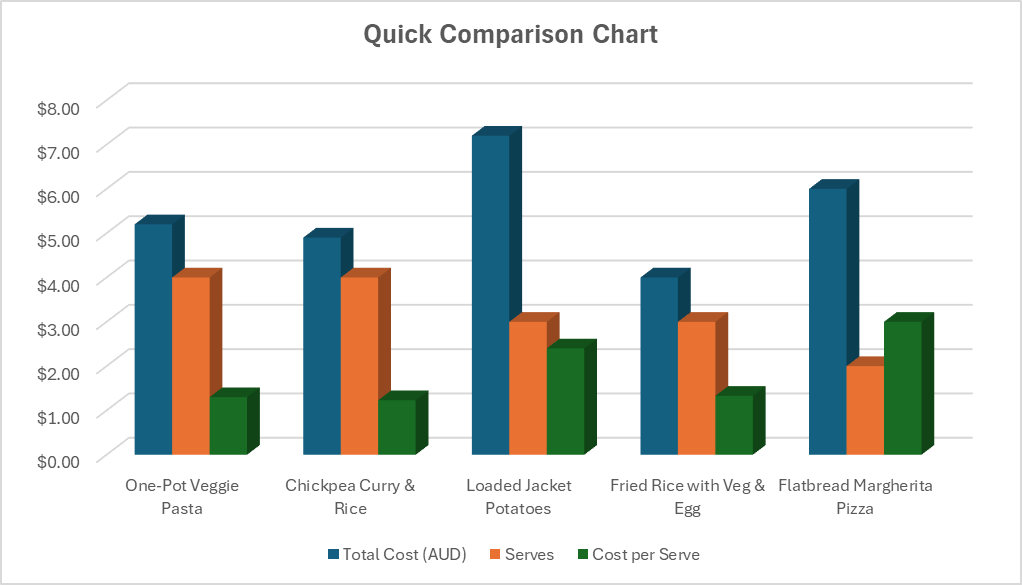
| Meal | Total Cost (AUD) | Serves | Cost per Serve |
|---|---|---|---|
| One-Pot Veggie Pasta | $5.20 | 4 | $1.30 |
| Chickpea Curry & Rice | $4.90 | 4 | $1.23 |
| Loaded Jacket Potatoes | $7.20 | 3 | $2.40 |
| Fried Rice with Veg & Egg | $4.00 | 3 | $1.33 |
| Flatbread Margherita Pizza | $6.00 | 2 | $3.00 |
Final Thoughts
Cooking on a budget doesn’t mean boring meals or plain plates.
With a little planning and a few clever swaps, you can enjoy delicious, satisfying dishes without overspending.
These meals prove that $10 can go a long way in your kitchen. They’re simple, family-friendly, and packed with flavour.
Try one this week and see just how rewarding budget cooking can be. You might even find a new favourite recipe!
Hungry for more? Keep an eye out – we’ll be sharing more wallet-friendly meal ideas soon.
Bon appétit, the budget way!


Food is more than just fuel — it’s an experience, a story, and an expression of culture. Behind every delicious meal lies a blend of technique, creativity and craftsmanship. Whether you’re dining at a top Sydney restaurant or cooking at home, the culinary methods used can completely transform the way a dish tastes, smells and feels.
In this article, we explore the fascinating relationship between culinary techniques and the dining experience — and how the art of cooking shapes the way we enjoy food.
1. The Power of Technique in Modern Cooking
Culinary techniques form the backbone of any dish. Chefs spend years mastering fundamentals because even the simplest method can make or break a meal.
Examples of key techniques include:
- Searing to lock in flavour and create a caramelised crust
- Poaching for delicate, gentle cooking
- Grilling for smoky depth
- Sous-vide for perfect precision
- Blanching and shocking to preserve colour and crunch
- Slow cooking to build deep, rich flavours
These methods influence how ingredients behave, how flavours develop, and how presentation comes together. Even an everyday carrot can taste completely different depending on how it’s cooked.
2. How Techniques Influence Flavour
The way food is prepared directly affects its taste profile. Technique is essentially the chef’s paintbrush — and flavour is the canvas.
Maillard Reaction: The Magic Behind Savoury Goodness
When food browns—think steaks, bread crusts, or roasted veggies—the Maillard reaction occurs, producing hundreds of flavour compounds. This technique gives dishes complexity and depth that boiling or steaming can’t replicate.
Fat as a Flavour Carrier
Methods like sautéing and confit rely on fat to enhance taste, coat the palate and intensify aroma.
Slow vs. Fast Cooking
- Slow-cooked meats become tender and flavourful as connective tissues break down.
- Fast stir-frying keeps ingredients bright, fresh and crisp.
Each technique creates a unique sensory experience.
3. Texture: The Unsung Hero of Food
Texture is one of the biggest contributors to how much we enjoy a dish — sometimes even more than flavour.
Crispy, Creamy, Crunchy, Tender
Cooking techniques determine whether something is crispy or mushy, silky or chewy. For example:
- Deep frying gives food an appealing crunch.
- Braising ensures meat falls apart effortlessly.
- Whisking and emulsifying create light, airy textures.
- Baking and proofing create structure and softness in bread.
A perfectly balanced dish often includes multiple textures, keeping every bite exciting.
4. Aroma: The First Impression
Before the first bite, our nose is already shaping the experience.
Smell plays a major role in dining — and techniques strongly influence aroma.
- Toasting spices intensifies fragrance.
- Chargrilling adds smokiness.
- Simmering soups and stocks releases layered aromas over time.
The right technique awakens the senses long before food reaches the table.
5. The Role of Presentation in the Dining Experience
Culinary technique isn’t just about cooking — it’s also about how the dish is finished and plated.
Plating techniques include:
- Artistic arrangement of ingredients
- Use of colour contrast
- Height and symmetry
- Sauce drizzles, foams and garnishes
Good presentation elevates expectation, enhances appetite and makes dining more memorable. In Australia’s growing food culture — from Melbourne laneway eateries to upscale Sydney restaurants — plating has become an art form of its own.
6. Cultural Techniques and Global Influence
Australia’s diverse food scene is shaped by global culinary traditions.
Examples:
- Asian wok-frying creates lightning-fast flavour.
- Italian slow simmering gives pasta sauces richness and depth.
- French butter basting adds luxury and tenderness.
- Middle Eastern spice toasting boosts aroma and warmth.
These techniques travel, evolve and fuse — forming the multicultural flavours we love today.
7. Home Cooking: Applying the Art of Food Everyday
You don’t need to be a professional chef to appreciate or use culinary techniques.
Simple ways to elevate your cooking include:
- Properly heating your pan before searing
- Adding herbs at the right stage (early for depth, late for freshness)
- Letting meat rest before slicing
- Using correct knife techniques to improve texture
- Layering flavours instead of adding everything at once
Small changes can make a huge difference to everyday meals.
8. Why Culinary Techniques Matter
Mastering the art of food transforms dining into an experience that engages your senses, showcases creativity and connects you to different cultures.
Culinary techniques shape the dining experience by:
- Enhancing flavour
- Adding exciting textures
- Creating alluring aromas
- Elevating visual appeal
- Highlighting cultural influences
Whether you’re enjoying a gourmet meal or cooking at home, technique is the invisible force that brings food to life.
Final Thoughts
The art of food is a beautiful combination of science, skill and creativity. By understanding how culinary techniques shape our dining experience, we gain a deeper appreciation for every dish that lands on our plate.
Food is more than ingredients — it’s an experience crafted by hands trained in the oldest art form in the world: the art of cooking.
Read This: Smarter Cooking, Less Waste: Your Guide to a Zero-Waste Kitchen
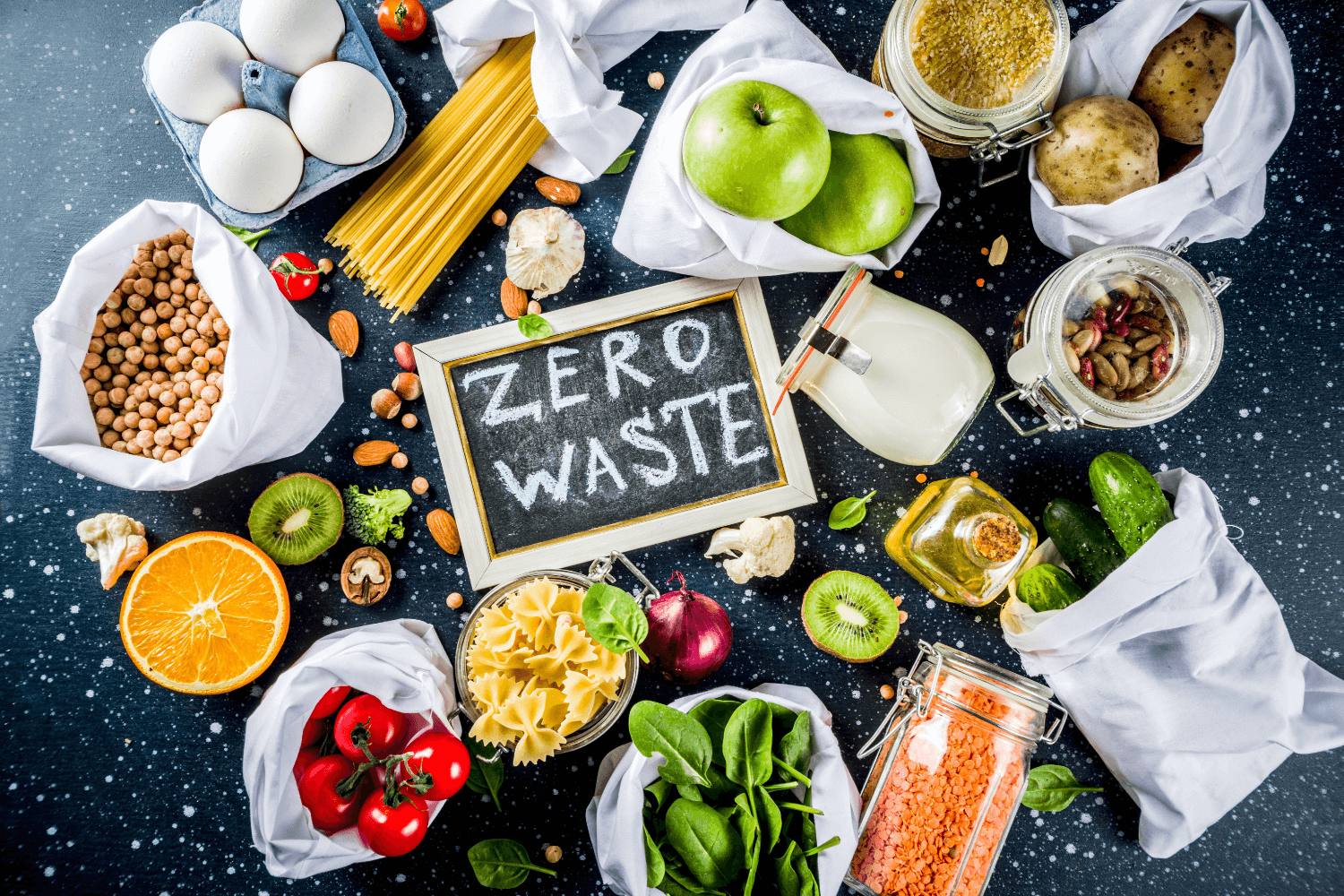
A zero-waste kitchen means cooking and storing food without creating rubbish. It’s a simple way to help the planet and save money.
When we waste less food, we use fewer resources like water and energy. Plus, you get to be creative with your cooking!
Small changes like planning meals or storing food properly make a big difference over time. This guide will show you how to make your kitchen kinder to the earth and your wallet.
Let’s start making smarter choices, one meal at a time.
Planning Ahead: Smarter Shopping & Meal Prep
Planning your meals each week stops you buying too much food.
Make a shopping list from your meal plan and stick to it. This helps avoid waste and saves money.
Buy loose fruit and vegetables instead of those wrapped in plastic. Choose foods that last longer and avoid buying too many perishables at once.
Prep some meals or chop veggies ahead of time to make cooking quicker. Keep track of what’s in your pantry to avoid repeats.
Smart Cooking Techniques to Reduce Waste
Use all parts of your ingredients to avoid waste. Vegetable stems and leaves can make tasty stocks or sauces.
Get creative with leftovers by turning them into soups or sandwiches.
Cook in batches and freeze extra portions for busy days.
Make the right portion sizes to stop throwing food away.
With a little thought, nothing goes to waste in your kitchen.
Efficient Food Storage Ideas
Good storage helps food last longer and cuts waste.
Use airtight containers to keep food fresh.
Try beeswax wraps or silicone lids instead of cling film or foil.
Label containers with dates so you know what to eat first.
Organise your fridge so older food is at the front.
A tidy kitchen means less forgotten food and fewer repeats bought.
Composting & Recycling Kitchen Scraps
Many kitchen scraps don’t need to go in the bin.
Vegetable peelings, coffee grounds, and eggshells can be composted.
Avoid putting meat or dairy in compost as they attract pests.
If you don’t have a garden, check if your council collects food waste.
Even a small worm bin on your balcony works well.
Composting reduces landfill waste and helps grow healthy plants.
Common Kitchen Waste & Zero-Waste Alternatives
| Waste Item | Zero-Waste Alternative | Tip |
|---|---|---|
| Plastic cling film | Beeswax wraps / silicone lids | Wash and reuse wraps |
| Single-use plastic bags | Cloth or mesh produce bags | Take your own shopping bags |
| Food scraps (veg peels) | Compost bin / worm farm | Start small composting at home |
| Takeaway containers | Reusable containers | Bring your own containers |
| Paper towels | Cloth towels / reusable napkins | Wash and reuse |
Eco-Friendly Kitchen Tools & Practices
Choose reusable, durable kitchen tools like glass containers and cloth bags.
Avoid single-use plastics which harm the environment.
Use natural cleaners like vinegar and baking soda instead of harsh chemicals.
Fix broken items rather than throwing them away.
Small swaps in tools and cleaning make a big difference to waste.
Zero-Waste Kitchen Challenges & How to Overcome Them
Going zero waste can seem hard at first.
Busy days, lack of knowledge, or limited space can be obstacles.
Start small, maybe with meal planning or using reusable bags.
Use apps or notes to remind yourself about food before it spoils.
Join local groups or online forums for support and ideas.
Remember, every bit of waste you save helps the planet.
Weekly Food Waste Reduction Tracker
| Week Number | Food Waste (grams) | Notes on Changes Made |
|---|---|---|
| Week 1 | 500 | Started meal planning |
| Week 2 | 350 | Used leftovers creatively |
| Week 3 | 200 | Began composting |
| Week 4 | 150 | Switched to reusable storage |
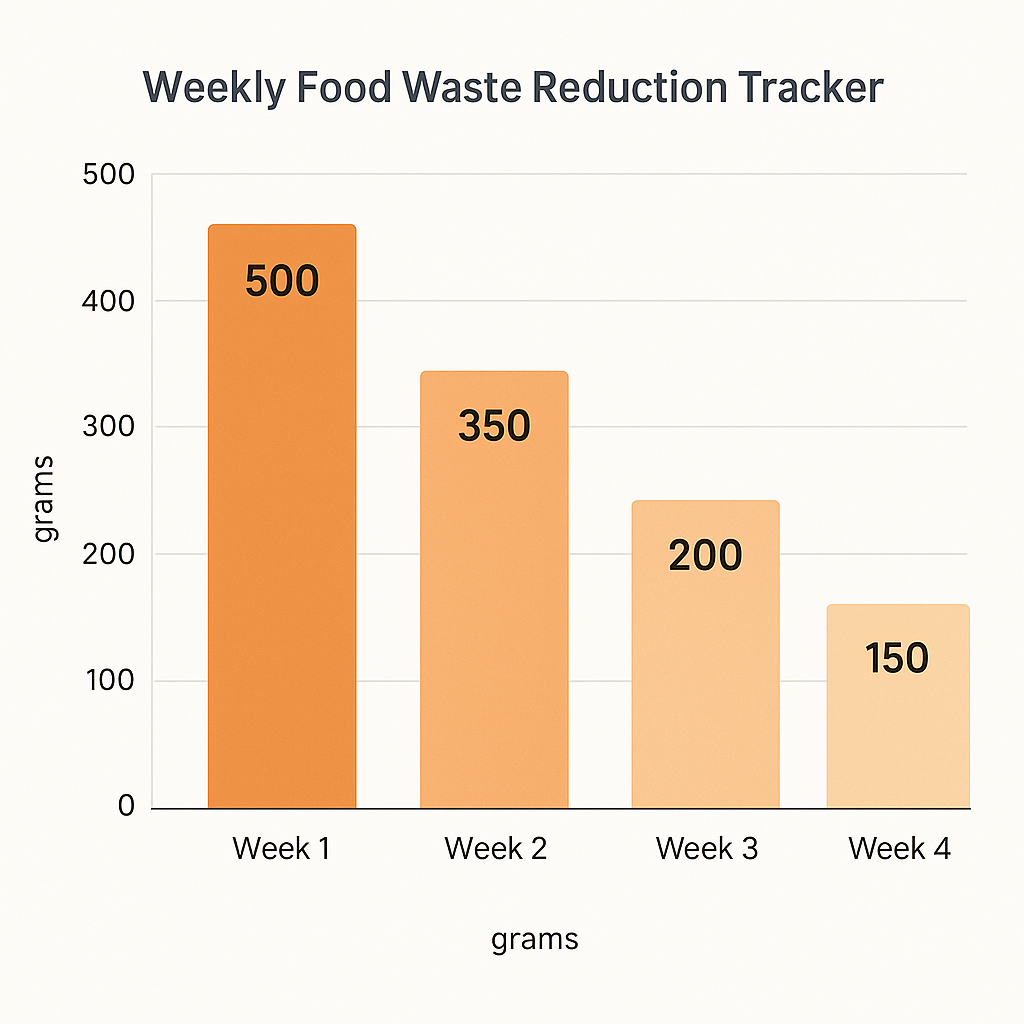
A simple bar chart showing food waste dropping each week, encouraging progress and continued effort.
Final Thoughts
A zero-waste kitchen is a simple way to help the planet and save money.
By planning, cooking smart, and storing food well, you waste less.
Composting and using eco-friendly tools add even more benefits.
Small, steady changes add up to big results.
Start today, and enjoy cooking smarter and wasting less.
Together, we can create a cleaner, greener world.

What to Consider Before Investing in a New or Used Commercial Truck

Think You’re Paying Too Much Tax? Here’s What Most People Miss

Understanding the Real Value of Truck Finance Melbourne for Long-Term Success

Not Sure Where to Start with SIL Providers in Melbourne? Here’s How the Right Provider Makes a Difference

How Much Does It Cost to Replace a Dental Implant in Melbourne Without Losing Your Smile or Wallet?

What is Physiotherapy? A Complete Guide to Understanding Its Role in Health
-
 Healthcare9 months ago
Not Sure Where to Start with SIL Providers in Melbourne? Here’s How the Right Provider Makes a Difference
-
 Healthcare9 months ago
How Much Does It Cost to Replace a Dental Implant in Melbourne Without Losing Your Smile or Wallet?
-
 Healthcare9 months ago
What is Physiotherapy? A Complete Guide to Understanding Its Role in Health
-

 Healthcare9 months ago
What Happens After You Start SIL? A Closer Look at the Journey
-

 Healthcare9 months ago
Regular Community Participation That Builds Belonging—and a Life You Control
-

 Healthcare9 months ago
5 Signs You Need to See a Psychologist – And Why It’s Totally Okay!
-

 General9 months ago
7 Guttering Upgrades That Instantly Make Your Home More Attractive to Buyers
-

 General9 months ago
Mindful Tech: How Wearables and Wellness Apps Are Transforming Mental Health