
Eco Friendly
How Do You Make Compost at Home: Tips and Tricks


Composting is one of the most effective ways to reduce waste and enrich your garden naturally. If you’ve ever asked, “how do you make compost at home?”, you’re in the right place. With simple steps, the right materials, and a bit of patience, you can turn kitchen scraps and garden waste into nutrient-rich soil that benefits your plants, the environment, and your wallet. In this article, we’ll cover everything you need to know about home composting, including practical tips, tricks, and common mistakes to avoid.
Why Composting Matters
Before diving into the process, it’s helpful to understand why composting is important:
- Reduces landfill waste: Food scraps and garden waste account for a significant portion of household rubbish. Composting keeps them out of landfill, reducing methane emissions.
- Enriches soil naturally: Compost is full of nutrients that improve soil structure, water retention, and fertility.
- Saves money: Using homemade compost reduces the need for chemical fertilisers.
- Promotes sustainability: Composting teaches eco-friendly habits and helps create a circular waste system in your home.
By starting your own compost at home, you’re taking a practical step toward a greener lifestyle.
Step 1: Choose the Right Composting Method
There are several ways to compost at home, depending on your space, lifestyle, and preferences. The most common methods include:
1. Traditional Compost Pile
This is ideal if you have a backyard. Simply designate a corner for your compost heap. Layers of organic waste will naturally break down over time.
2. Compost Bin
Bins are perfect for small gardens or urban backyards. They keep your compost contained, reduce odours, and make it easier to manage.
3. Tumbler Composters
A tumbling composter is a sealed container that can be rotated to speed up decomposition. This is perfect if you want faster results and minimal effort.
4. Worm Composting (Vermicomposting)
Using worms to break down organic waste is an efficient way to produce high-quality compost. Worm composting works well indoors and is ideal for kitchen scraps.
Step 2: Gather the Right Materials
The secret to successful composting is the right balance of “greens” and “browns”:
- Greens (Nitrogen-rich materials): Kitchen scraps like fruit and vegetable peelings, coffee grounds, tea leaves, grass clippings, and garden trimmings.
- Browns (Carbon-rich materials): Dry leaves, shredded newspaper, cardboard, straw, and sawdust.
Tip: Avoid adding meat, dairy, oily foods, or pet waste, as these can attract pests and create unpleasant odours.
Step 3: Layer Your Compost
A good compost pile needs alternating layers of greens and browns to ensure proper decomposition. Here’s a simple approach:
- Start with a layer of coarse browns (like twigs) to aid airflow.
- Add a layer of greens (kitchen scraps, grass).
- Cover with a thin layer of browns.
- Repeat until your bin or pile is full.
Tip: Keep the pile moist but not soggy, similar to a wrung-out sponge.
Step 4: Maintain Your Compost
Proper maintenance is key to turning waste into rich compost efficiently. Here are some tips:
- Turn or aerate regularly: Use a garden fork or shovel to mix your pile every 1–2 weeks. This introduces oxygen, which speeds up decomposition.
- Check moisture levels: Compost should feel damp but not wet. Add water if dry, or browns if too wet.
- Monitor temperature: A healthy compost pile heats up naturally. Hotter piles break down waste faster.
- Chop large items: Cutting vegetable scraps or twigs into smaller pieces accelerates decomposition.
Step 5: Know When Your Compost is Ready
Compost can take anywhere from 2 months to a year, depending on your method and materials. It’s ready when:
- It has a dark brown colour and crumbly texture.
- It smells earthy, not sour or rotten.
- Original food scraps are unrecognisable.
Tip: Use finished compost to enrich garden soil, potted plants, or as a natural mulch.
Common Mistakes to Avoid
Even with the best intentions, beginners often make mistakes in home composting. Avoid these pitfalls:
- Imbalance of greens and browns – Too many greens can cause odours; too many browns slow decomposition.
- Adding inappropriate items – Meat, dairy, and oily foods attract pests and bacteria.
- Neglecting aeration – Compost needs oxygen; a compacted pile slows down decomposition.
- Overwatering or under-watering – Compost should be moist but not soggy.
- Using diseased plants or weeds – These can survive composting and spread in your garden.
Advanced Tips and Tricks
For those looking to improve composting efficiency:
- Shred or chop materials – Smaller pieces decompose faster.
- Add garden lime – Helps balance pH if your compost is too acidic.
- Use a compost thermometer – Helps track temperature for optimal decomposition.
- Layer with soil – Adding small amounts of garden soil can introduce beneficial microbes.
- Consider bokashi fermentation – A method using effective microbes to break down food waste quickly, even indoors.
Indoor Composting Solutions
If you live in an apartment or have limited outdoor space, indoor composting is possible:
- Worm farms (vermicomposting): Use red wriggler worms in a container to convert kitchen scraps into rich castings.
- Bokashi bins: Ferment food waste in an airtight container before adding it to soil.
- Small compost bins: Keep a covered bin under the sink or on a balcony for limited food scraps.
Indoor composting allows you to reduce waste year-round, even in urban settings.
Final Thoughts
Asking “how do you make compost at home?” is the first step toward sustainable living. Composting is an accessible, cost-effective, and eco-friendly practice that transforms kitchen and garden waste into a valuable resource for your garden. By following the steps, tips, and tricks outlined above, you can create nutrient-rich compost, reduce household waste, and support a greener environment.
Start small, maintain your pile, and experiment with different composting methods to see what works best for your home. With patience and consistency, you’ll soon have a sustainable source of natural fertiliser that benefits both your plants and the planet.
FAQs
Q1. How long does it take to make compost at home?
It can take anywhere from 2 months to a year, depending on the materials, method, and maintenance. Hotter piles and smaller scraps speed up the process.
Q2. What can I compost at home?
Kitchen scraps (fruit, vegetables, coffee grounds), garden trimmings, shredded paper, cardboard, and dry leaves are ideal. Avoid meat, dairy, oily foods, and pet waste.
Q3. Can I compost indoors?
Yes, using worm farms, bokashi bins, or small indoor compost bins. Ensure proper aeration and moisture control to prevent odours.
Q4. How do I know if my compost is ready to use?
Finished compost is dark brown, crumbly, smells earthy, and no longer resembles the original scraps.
Q5. What are the benefits of using homemade compost?
It improves soil fertility, retains moisture, reduces the need for chemical fertilisers, and helps plants grow stronger and healthier.
Also Read This: Smarter Cooking, Less Waste: Your Guide to a Zero-Waste Kitchen

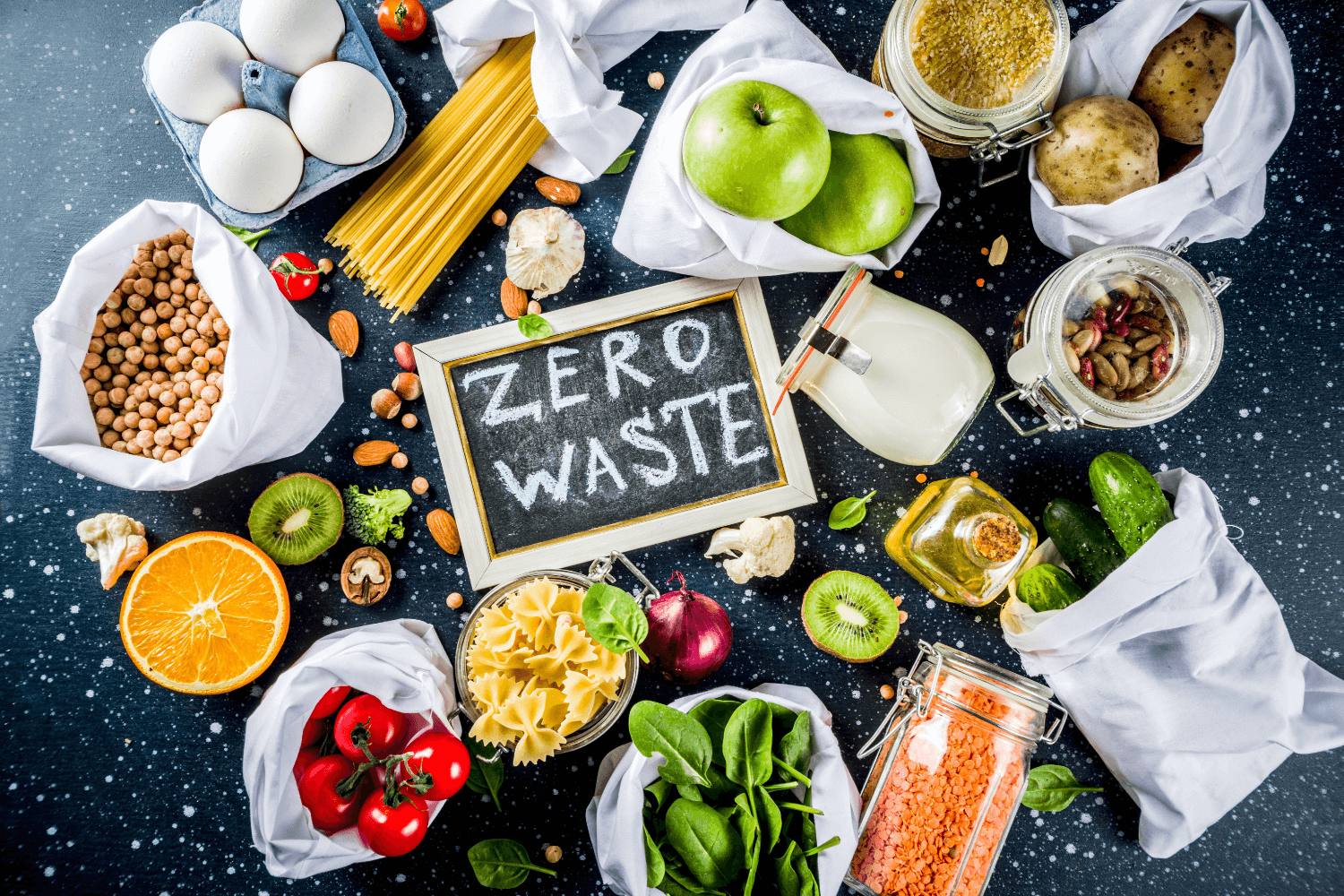
A zero-waste kitchen means cooking and storing food without creating rubbish. It’s a simple way to help the planet and save money.
When we waste less food, we use fewer resources like water and energy. Plus, you get to be creative with your cooking!
Small changes like planning meals or storing food properly make a big difference over time. This guide will show you how to make your kitchen kinder to the earth and your wallet.
Let’s start making smarter choices, one meal at a time.
Planning Ahead: Smarter Shopping & Meal Prep
Planning your meals each week stops you buying too much food.
Make a shopping list from your meal plan and stick to it. This helps avoid waste and saves money.
Buy loose fruit and vegetables instead of those wrapped in plastic. Choose foods that last longer and avoid buying too many perishables at once.
Prep some meals or chop veggies ahead of time to make cooking quicker. Keep track of what’s in your pantry to avoid repeats.
Smart Cooking Techniques to Reduce Waste
Use all parts of your ingredients to avoid waste. Vegetable stems and leaves can make tasty stocks or sauces.
Get creative with leftovers by turning them into soups or sandwiches.
Cook in batches and freeze extra portions for busy days.
Make the right portion sizes to stop throwing food away.
With a little thought, nothing goes to waste in your kitchen.
Efficient Food Storage Ideas
Good storage helps food last longer and cuts waste.
Use airtight containers to keep food fresh.
Try beeswax wraps or silicone lids instead of cling film or foil.
Label containers with dates so you know what to eat first.
Organise your fridge so older food is at the front.
A tidy kitchen means less forgotten food and fewer repeats bought.
Composting & Recycling Kitchen Scraps
Many kitchen scraps don’t need to go in the bin.
Vegetable peelings, coffee grounds, and eggshells can be composted.
Avoid putting meat or dairy in compost as they attract pests.
If you don’t have a garden, check if your council collects food waste.
Even a small worm bin on your balcony works well.
Composting reduces landfill waste and helps grow healthy plants.
Common Kitchen Waste & Zero-Waste Alternatives
| Waste Item | Zero-Waste Alternative | Tip |
|---|---|---|
| Plastic cling film | Beeswax wraps / silicone lids | Wash and reuse wraps |
| Single-use plastic bags | Cloth or mesh produce bags | Take your own shopping bags |
| Food scraps (veg peels) | Compost bin / worm farm | Start small composting at home |
| Takeaway containers | Reusable containers | Bring your own containers |
| Paper towels | Cloth towels / reusable napkins | Wash and reuse |
Eco-Friendly Kitchen Tools & Practices
Choose reusable, durable kitchen tools like glass containers and cloth bags.
Avoid single-use plastics which harm the environment.
Use natural cleaners like vinegar and baking soda instead of harsh chemicals.
Fix broken items rather than throwing them away.
Small swaps in tools and cleaning make a big difference to waste.
Zero-Waste Kitchen Challenges & How to Overcome Them
Going zero waste can seem hard at first.
Busy days, lack of knowledge, or limited space can be obstacles.
Start small, maybe with meal planning or using reusable bags.
Use apps or notes to remind yourself about food before it spoils.
Join local groups or online forums for support and ideas.
Remember, every bit of waste you save helps the planet.
Weekly Food Waste Reduction Tracker
| Week Number | Food Waste (grams) | Notes on Changes Made |
|---|---|---|
| Week 1 | 500 | Started meal planning |
| Week 2 | 350 | Used leftovers creatively |
| Week 3 | 200 | Began composting |
| Week 4 | 150 | Switched to reusable storage |
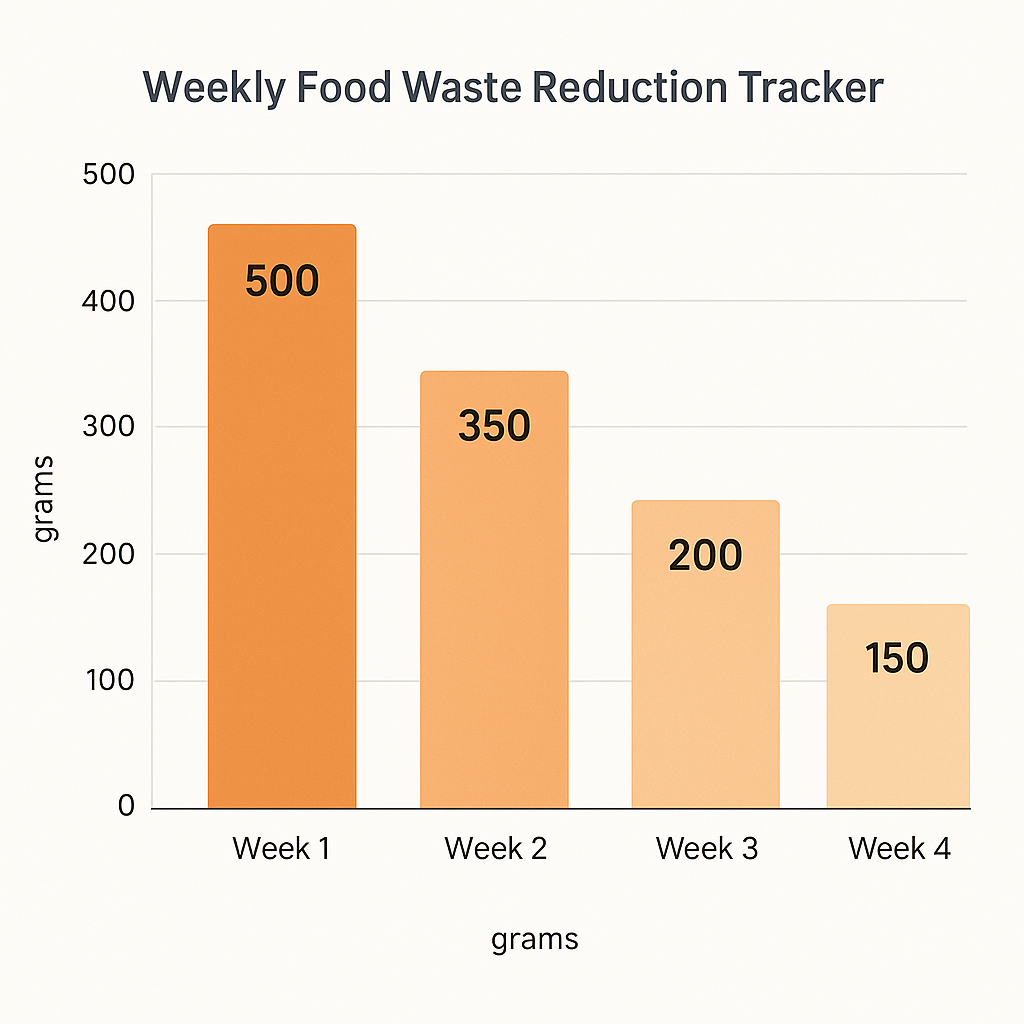
A simple bar chart showing food waste dropping each week, encouraging progress and continued effort.
Final Thoughts
A zero-waste kitchen is a simple way to help the planet and save money.
By planning, cooking smart, and storing food well, you waste less.
Composting and using eco-friendly tools add even more benefits.
Small, steady changes add up to big results.
Start today, and enjoy cooking smarter and wasting less.
Together, we can create a cleaner, greener world.

Think You’re Paying Too Much Tax? Here’s What Most People Miss

Understanding the Real Value of Truck Finance Melbourne for Long-Term Success

Don’t Ignore These Warning Signs — What a Plumber Liverpool Wants You to Know

Not Sure Where to Start with SIL Providers in Melbourne? Here’s How the Right Provider Makes a Difference

How Much Does It Cost to Replace a Dental Implant in Melbourne Without Losing Your Smile or Wallet?

What is Physiotherapy? A Complete Guide to Understanding Its Role in Health
-
 Healthcare9 months ago
Not Sure Where to Start with SIL Providers in Melbourne? Here’s How the Right Provider Makes a Difference
-
 Healthcare9 months ago
How Much Does It Cost to Replace a Dental Implant in Melbourne Without Losing Your Smile or Wallet?
-
 Healthcare9 months ago
What is Physiotherapy? A Complete Guide to Understanding Its Role in Health
-

 Healthcare9 months ago
What Happens After You Start SIL? A Closer Look at the Journey
-

 Healthcare9 months ago
Regular Community Participation That Builds Belonging—and a Life You Control
-

 Healthcare9 months ago
5 Signs You Need to See a Psychologist – And Why It’s Totally Okay!
-

 General9 months ago
7 Guttering Upgrades That Instantly Make Your Home More Attractive to Buyers
-

 General9 months ago
Mindful Tech: How Wearables and Wellness Apps Are Transforming Mental Health