
Listing
Exercise Physiologist vs Physiotherapist: What’s the Difference?


When it comes to injury recovery, rehabilitation, or improving overall physical health, many people find themselves choosing between an Exercise Physiologist and a Physiotherapist. While both professions play a crucial role in helping individuals return to movement and prevent further injuries, their qualifications, treatment styles, and long-term focus can differ significantly.
If you’ve ever wondered which professional is right for you, this guide will help you understand the distinctions — especially if you’re searching for support from an Exercise Physiologist in Carlingford or nearby areas.
What Is a Physiotherapist?
A Physiotherapist is a healthcare professional trained to assess, diagnose and treat injuries, movement conditions and physical dysfunction. They commonly work with musculoskeletal injuries, neurological disorders, chronic pain and post-operative rehabilitation.
What Physiotherapists Do
Physiotherapists may provide services such as:
- Hands-on manual therapy and mobilisation
- Dry needling
- Ultrasound or electrotherapy
- Strength and flexibility exercises
- Education on injury prevention
Their primary focus is identifying immediate functional issues, reducing pain, and restoring movement after an injury or medical condition.
What Is an Exercise Physiologist?
An Exercise Physiologist is a university-qualified allied health practitioner specialising in tailored exercise therapy, chronic condition management and long-term functional improvement.
They work with people living with:
- Diabetes
- Chronic pain
- Arthritis
- Cardiovascular disease
- Neurological conditions
- Obesity or metabolic disorders
- Mental health conditions
An Exercise Physiologist focuses on evidence-based exercise prescription that supports recovery, functional independence and ongoing health management.
Key Differences Between the Two
| Feature | Physiotherapist | Exercise Physiologist |
|---|---|---|
| Focus | Pain relief & injury treatment | Long-term health, rehabilitation & exercise-based management |
| Treatment Style | Hands-on therapy + exercise | Exercise prescription, behaviour change & education |
| Best For | Acute injuries, post-op care, mobility issues | Chronic conditions, exercise rehabilitation, long-term health goals |
| Settings | Clinics, hospitals, rehabilitation centres | Clinics, gyms, community health, NDIS & chronic disease settings |
When Should You See a Physiotherapist?
A Physiotherapist is ideal if you are experiencing:
- Sudden injury (sports, workplace or accident related)
- Post-surgery pain or stiffness
- Restricted joint mobility
- Muscle tear or sprain
- Neurological movement disorder
Their treatment will help restore movement and reduce discomfort before further rehabilitation begins.
When Should You See an Exercise Physiologist?
An Exercise Physiologist in Carlingford may be the better choice if you:
- Have a long-term health condition
- Need safe, personalised exercise guidance
- Want support with lifestyle change or weight management
- Require rehabilitation after initial physiotherapy
- Need NDIS, DVA, Medicare, or WorkCover support
Exercise Physiologists focus heavily on client education, movement confidence and sustainable progress.
Can They Work Together?
Yes — in many rehabilitation pathways, Physiotherapists and Exercise Physiologists work collaboratively.
A typical treatment pathway may look like this:
- Physiotherapist: Diagnose injury and manage pain in early stages.
- Exercise Physiologist: Develop long-term exercise strategy to restore function, fitness and prevent relapse.
This combined approach delivers both short-term relief and long-term improvement.
Final Thoughts
While both professions aim to improve physical health, the difference lies in their focus and approach. Physiotherapists are best suited for diagnosing injuries and providing early-stage treatment, while Exercise Physiologists specialise in long-term management through structured exercise and behaviour change.
If you’re seeking sustainable lifestyle improvements, rehabilitation after an injury, or help managing a chronic health condition, connecting with a qualified Exercise Physiologist in Carlingford may be the ideal next step.
Also Read This: Not Sure Where to Start with SIL Providers in Melbourne? Here’s How the Right Provider Makes a Difference
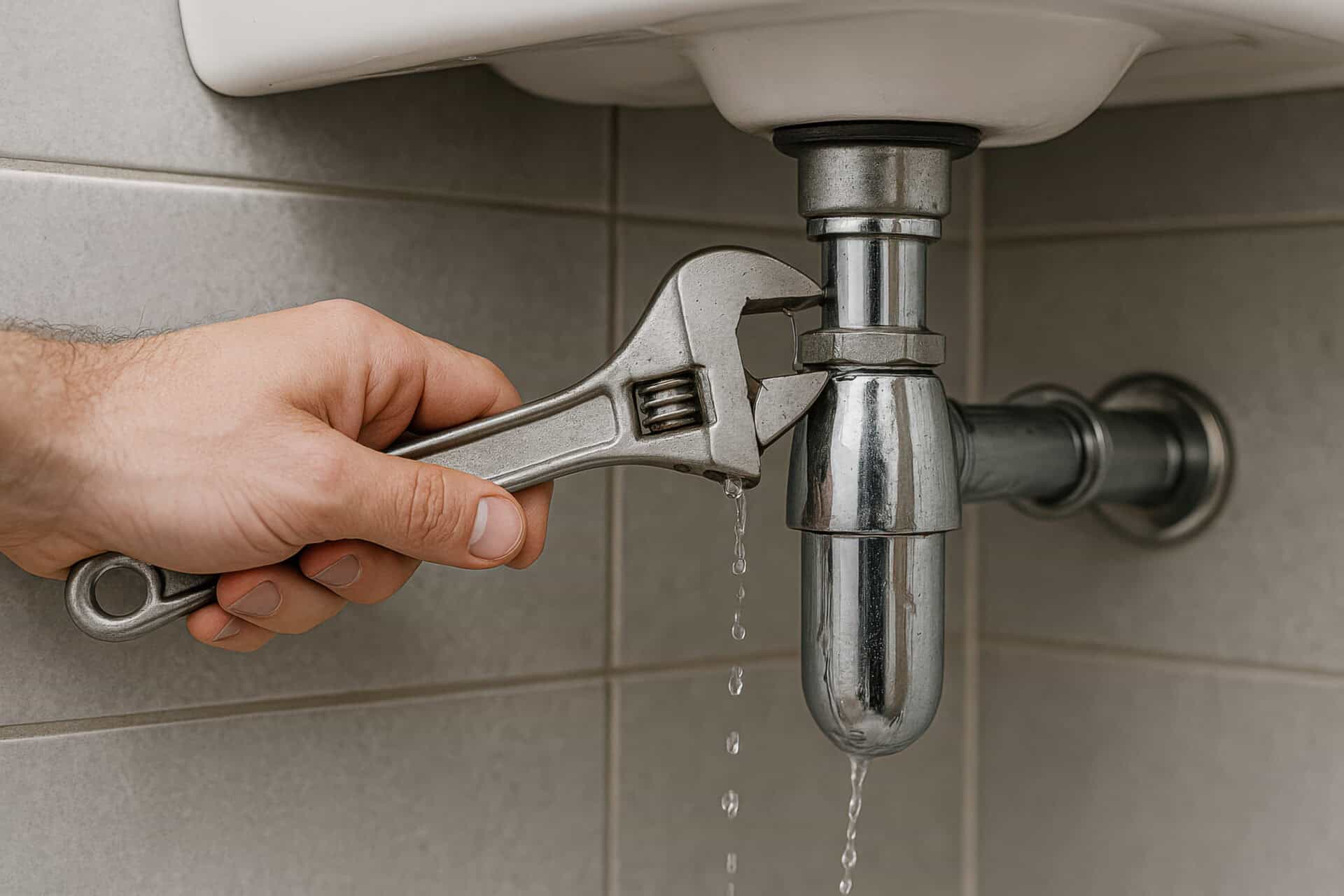
Most plumbing problems don’t start with a dramatic burst pipe or flooded kitchen. They begin quietly: a slow drip, a faint smell, a slightly sluggish drain. According to any experienced Plumber Liverpool, these early warning signs are often the difference between a simple repair and a costly emergency. Ignoring them can lead to water damage, structural issues, and unexpected expenses.
Homes and commercial properties across Liverpool rely heavily on hidden plumbing systems that operate daily without much thought. But when subtle changes appear, they’re rarely random. They’re signals. Understanding those signals can save time, money, and stress.
Slow Drains Are Often the First Red Flag
A qualified Plumber Liverpool frequently sees slow drains dismissed as minor inconveniences. Many property owners attempt temporary fixes with store-bought cleaners, assuming the issue is surface-level. In reality, slow drainage is often the first indicator of a developing blockage deeper within the system.
Common causes include:
- Grease and food buildup in kitchen pipes
- Hair and soap residue in bathroom drains
- Tree root intrusion in underground lines
- Pipe misalignment or early collapse
Left untreated, partial blockages create pressure inside pipes. Over time, that pressure can lead to cracks, leaks, or complete drain failure. Acting early reduces the risk of major disruption.
Unusual Sounds Shouldn’t Be Ignored
Plumbing systems are generally quiet. When noises begin to appear, they usually signal imbalance or restriction.
Listen for:
- Gurgling sounds after flushing
- Banging or knocking in pipes
- Whistling when taps are turned on
- Constant running water inside the walls
Gurgling may indicate air trapped by a blockage. Knocking sounds often result from water hammer, sudden pressure changes inside pipes. These sounds are not just annoying; they can signal stress within the system that may worsen if left unaddressed.
Unexpected Spikes in Water Bills
An increase in water usage without lifestyle changes is rarely accidental. Hidden leaks are one of the most common causes of rising utility bills.
Potential leak sources include:
- Underground water lines
- Faulty toilet cistern mechanisms
- Dripping outdoor taps
- Worn pipe joints inside walls
Even a small leak can waste thousands of litres annually. Early detection prevents both financial strain and structural damage caused by prolonged moisture exposure.
Damp Spots and Mould Growth
Water damage doesn’t always present as visible flooding. Sometimes it appears as subtle wall discolouration or musty odours.
Watch for:
- Bubbling paint or peeling wallpaper
- Dark patches on ceilings
- Soft or warped flooring
- Persistent damp smells
These signs often point to concealed leaks behind walls or under flooring. In the middle of property inspections, many residents discover that consulting a professional Plumber Liverpool at this stage prevents more serious structural repairs later.
Mould growth is not just cosmetic; it can affect indoor air quality and health. Addressing the plumbing source is essential before treating surface damage.
Low Water Pressure Isn’t Normal
Sudden or gradual drops in water pressure are frequently overlooked. While minor fluctuations can occur, consistent low pressure typically signals an underlying issue.
Possible causes include:
- Pipe corrosion
- Sediment buildup
- Hidden leaks
- Partially closed valves
- Municipal supply issues
Corroded pipes, especially in older properties, restrict water flow over time. Without inspection, the problem may continue worsening until pipe replacement becomes necessary.
Hot Water Inconsistencies
Hot water systems rarely fail without warning. Subtle changes often appear first.
Be alert to:
- Inconsistent temperatures
- Rust-coloured water
- Unusual tank noises
- Reduced hot water duration
These symptoms may indicate sediment buildup, failing heating elements, or internal corrosion. Prompt attention can extend the system’s lifespan and avoid sudden breakdown.
Outdoor Drainage Problems
External drainage is just as important as internal plumbing. Heavy rainfall can expose weaknesses in stormwater systems.
Signs of drainage issues include:
- Water pooling near foundations
- Overflowing gutters
- Soggy garden patches
- Cracks in driveways
Poor drainage may affect structural stability over time. Early inspection helps prevent soil erosion and foundation damage.
Gas Smells or Suspected Leaks
If a gas odour is detected, immediate action is critical. Gas leaks pose serious safety risks and require licensed professionals.
Warning signs include:
- Rotten egg smell
- Hissing sounds near gas lines
- Sudden pilot light failure
In such cases, turning off the gas supply and contacting a qualified technician is essential. Delaying response can create hazardous conditions.
Why Early Action Makes a Difference
Ignoring warning signs doesn’t eliminate problems; it allows them to grow. Timely intervention offers clear benefits:
- Lower repair costs
- Reduced property damage
- Improved water efficiency
- Longer system lifespan
- Fewer emergency call-outs
Preventive attention protects both comfort and investment value.
FAQs
1. When should a plumber be contacted for minor plumbing issues?
If symptoms like slow drains, low pressure, or unusual sounds persist beyond a few days, professional assessment is recommended. Small issues often indicate larger hidden problems.
2. Are chemical drain cleaners safe to use regularly?
Frequent use of chemical cleaners can damage pipes over time. They may provide temporary relief but often fail to remove deeper blockages.
3. How often should plumbing systems be inspected?
Residential properties benefit from a professional inspection every one to two years, especially older homes or properties with large nearby trees.
4. Can hidden leaks really cause structural damage?
Yes. Continuous moisture can weaken timber, damage plaster, and contribute to mould growth. Early detection prevents long-term deterioration.
5. What should be done if a gas smell is noticed?
Immediately turn off the gas supply if safe to do so and contact a licensed professional. Avoid using electrical switches or open flames until the issue is assessed.

Introduction
DIY projects can be a great way to save money—until they involve gas. In Australia, Gas Fitting is not just another home improvement task; it’s a highly regulated trade that directly affects your safety, property, and legal standing. What might seem like a simple job can quickly turn into a dangerous and expensive mistake if handled incorrectly.
From gas leaks to carbon monoxide exposure, DIY gas work carries serious risks that most homeowners underestimate. Here’s why attempting gas fitting yourself can cost you far more than hiring a licensed professional from the start.
Gas Fitting Is a Licensed Trade in Australia
In Australia, Gas Fitting must be carried out by a licensed gas fitter. Each state has strict regulations to ensure gas systems are installed and maintained safely. Performing gas work without proper licensing is illegal and can result in heavy fines or legal action.
Licensed gas fitters undergo extensive training, assessments, and compliance checks to ensure every installation meets Australian safety standards. DIY gas work simply doesn’t meet these requirements.
The Real Safety Risks of DIY Gas Work
Gas systems leave no room for error. Even a small mistake can have major consequences, including:
- Gas leaks that can cause fires or explosions
- Carbon monoxide poisoning from poorly installed appliances
- Long-term health risks from undetected leaks
Unlike plumbing or electrical DIY mistakes, gas errors can be fatal. Professional gas fitters use specialised tools to detect leaks and ensure safe operation—equipment most homeowners don’t have access to.
Hidden Costs That Add Up Quickly
Many people attempt DIY gas work to save money, but the opposite often happens. Common hidden costs include:
- Repairing incorrect installations
- Replacing damaged appliances
- Emergency call-outs after failed DIY attempts
- Higher insurance premiums or rejected claims
In many cases, insurers will refuse to cover damage caused by unlicensed Gas Fitting, leaving homeowners to pay out of pocket.
Insurance and Compliance Issues
Most home insurance policies in Australia require gas work to be completed by a licensed professional. If something goes wrong and the work wasn’t legally done, your claim may be denied—no matter how small the issue started.
Additionally, selling or renting out your property may require compliance certificates for gas installations. DIY work can delay property transactions and lead to costly rework.
Why Hiring a Professional Makes Sense
Choosing a licensed expert ensures:
- Full compliance with Australian safety standards
- Correct installation the first time
- Long-term efficiency of gas appliances
- Peace of mind for you and your family
Homeowners in Melbourne’s west often rely on a trusted Gas Fitting Service in Werribee to handle installations, repairs, and safety checks professionally and legally.
Local Knowledge Matters
A reputable Gas Fitting Service in Werribee understands local regulations, property types, and common gas system issues in the area. This local expertise helps prevent problems before they start and ensures your system runs safely and efficiently year-round.
Final Thoughts
DIY has its place—but Gas Fitting isn’t it. The legal risks, safety hazards, and long-term costs far outweigh any short-term savings. Hiring a licensed gas fitter protects your home, your finances, and most importantly, your life.
When it comes to gas, doing it right the first time isn’t optional—it’s essential.

Gas is an essential part of many Australian homes, powering cooktops, heaters, and hot water systems. But when something goes wrong, gas leaks can quickly turn dangerous. Understanding how to identify early warning signs and knowing when to call a professional Gas Fitting expert can help protect your family, your property, and your peace of mind.
This guide explains how to spot gas leaks early, what causes them, and why professional gas fitting matters.
Why Gas Leaks Are a Serious Risk
Gas leaks aren’t always obvious. While some leaks produce a strong smell, others can go unnoticed until they cause health problems or even fires. Prolonged exposure may lead to headaches, dizziness, nausea, or breathing difficulties. In extreme cases, gas leaks can result in explosions or carbon monoxide poisoning.
That’s why regular checks and safe Gas Fitting practices are critical in every Australian home.
Common Signs of a Gas Leak
1. A Strong Smell of Gas
Natural gas has a distinctive sulphur-like smell, similar to rotten eggs. If you notice this indoors or near gas appliances, it’s a major warning sign.
2. Hissing or Whistling Sounds
Gas escaping from a pipe or connection may create a faint hissing noise, especially near meters or appliances.
3. Dead Plants Near Gas Lines
If plants or grass near outdoor gas lines suddenly die for no clear reason, a leak underground could be the cause.
4. Physical Symptoms
Feeling light-headed, tired, or nauseous when at home—but better when outside—can indicate gas exposure.
5. Poor Appliance Performance
Gas appliances that struggle to ignite, burn with an orange or yellow flame, or switch off unexpectedly may point to faulty Gas Fitting or leaking connections.
What to Do If You Suspect a Gas Leak
- Turn off the gas supply at the meter if it’s safe to do so
- Open doors and windows to ventilate the area
- Avoid using electrical switches or open flames
- Leave the property immediately
- Call a licensed gas fitter or emergency services
Never try to fix gas issues yourself. Gas systems require professional handling to meet Australian safety standards.
Common Causes of Gas Leaks
- Poor-quality or outdated Gas Fitting work
- Ageing or corroded pipes
- Loose appliance connections
- Incorrect installation or DIY modifications
- Wear and tear from vibrations or renovations
Using a licensed professional, such as a trusted Gas Fitting Service in Altona, helps ensure all installations and repairs are completed safely and legally.
Why Professional Gas Fitting Is Essential
Licensed gas fitters understand Australian regulations, safety codes, and appliance requirements. They use proper testing equipment to detect leaks early and ensure long-term reliability.
If you’re installing new appliances, upgrading old systems, or suspecting an issue, working with a reliable Gas Fitting Service in Altona can prevent costly and dangerous problems before they start.
Preventing Gas Leaks in the Future
- Schedule regular gas safety inspections
- Replace old appliances when recommended
- Never attempt DIY gas repairs
- Ensure renovations don’t disturb gas lines
- Choose licensed professionals for all Gas Fitting work
Prevention is always safer and cheaper than emergency repairs.
Final Thoughts
Gas leaks are dangerous but often preventable. By knowing the warning signs, acting quickly, and relying on professional Gas Fitting, you can keep your home safe and compliant with Australian standards. When it comes to gas, caution and expertise always come first.

Think You’re Paying Too Much Tax? Here’s What Most People Miss

Understanding the Real Value of Truck Finance Melbourne for Long-Term Success

Don’t Ignore These Warning Signs — What a Plumber Liverpool Wants You to Know

Not Sure Where to Start with SIL Providers in Melbourne? Here’s How the Right Provider Makes a Difference

How Much Does It Cost to Replace a Dental Implant in Melbourne Without Losing Your Smile or Wallet?

What is Physiotherapy? A Complete Guide to Understanding Its Role in Health
-
 Healthcare9 months ago
Not Sure Where to Start with SIL Providers in Melbourne? Here’s How the Right Provider Makes a Difference
-
 Healthcare9 months ago
How Much Does It Cost to Replace a Dental Implant in Melbourne Without Losing Your Smile or Wallet?
-
 Healthcare9 months ago
What is Physiotherapy? A Complete Guide to Understanding Its Role in Health
-

 Healthcare9 months ago
What Happens After You Start SIL? A Closer Look at the Journey
-

 Healthcare9 months ago
Regular Community Participation That Builds Belonging—and a Life You Control
-

 Healthcare9 months ago
5 Signs You Need to See a Psychologist – And Why It’s Totally Okay!
-
 General9 months ago
7 Guttering Upgrades That Instantly Make Your Home More Attractive to Buyers
-

 General9 months ago
Mindful Tech: How Wearables and Wellness Apps Are Transforming Mental Health