Science & Nature
Magpie Swooping: Why Some People Get Targeted

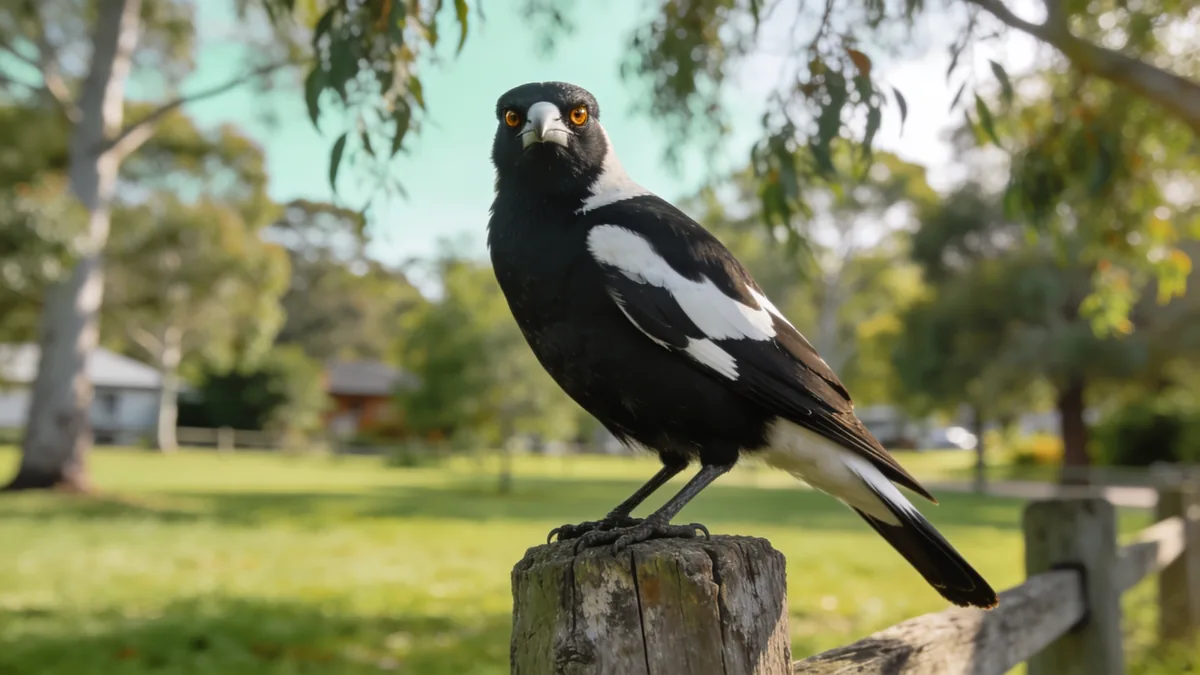
You have already made one good decision this swooping season, and you may not have noticed making it. At some point you started taking the other path, or crossing the road before the big gum, or keeping the dog a little closer on the corner. That is not avoidance. It is the beginning of the fix, and the rest of this article is making it deliberate.
Two facts make the whole season smaller before we go further. Fewer than 10 per cent of male magpies swoop people at all, so the great majority of the birds you pass are not a threat to anyone. And a bird that does swoop is defending chicks for about a fortnight, not running a campaign all spring.
So nothing here asks you to be brave around a bird, and nothing asks you to rearrange your spring for one. The ask is smaller than that: understand what the bird is doing, take the three or four small steps that work, and let the calendar finish the job.
The walk you have started avoiding
You changed your route because of a feeling, and the feeling was right. The bird that swoops is doing it from a patch of ground, and the patch is small: roughly 100 metres around the nest. Walk around the patch, or along the far side of the street from it, and your season is effectively over. The trouble is that half a spring of detours is a nuisance, and it is better to know which hundred metres you are avoiding and why.
It also helps to know that the bird you are avoiding is not the neighbourhood itself. It is one male, near one nest, for one fortnight. The rest of the walk is the same walk it always was.
Why it happens at all
Magpies breed through spring, and the season runs roughly from August to November. Within that window, each pair works to its own schedule, which is why the mother of all swooping stories is the one about the magpie that attacked in August, before anyone was ready. The birds do not check the calendar, and the season’s edges are soft.
What the male is doing is defence, full stop. He has chicks in a nest he cannot move, a territory he can patrol, and one method of discouraging anything that comes close. He will use it on cats, on other birds, and sometimes on people. None of it is personal in the way it feels. It is a small, temporary piece of bird engineering, and it ends when the chicks leave. For the rest of the year the same birds are garden birds, working the lawn and the compost for grubs, and the site’s guide to making compost at home describes the pantry that keeps them in business.
It also helps to know what the bird is not doing. Most passes are warnings rather than strikes; the swoop over your head is the message, and the birds that do make contact usually aim at the highest point of a walker, which is the head. Reading the pass as the whole product, rather than as a prelude to something worse, is what keeps the response calm, and calm is the tactic every section below depends on.
Why you, specifically
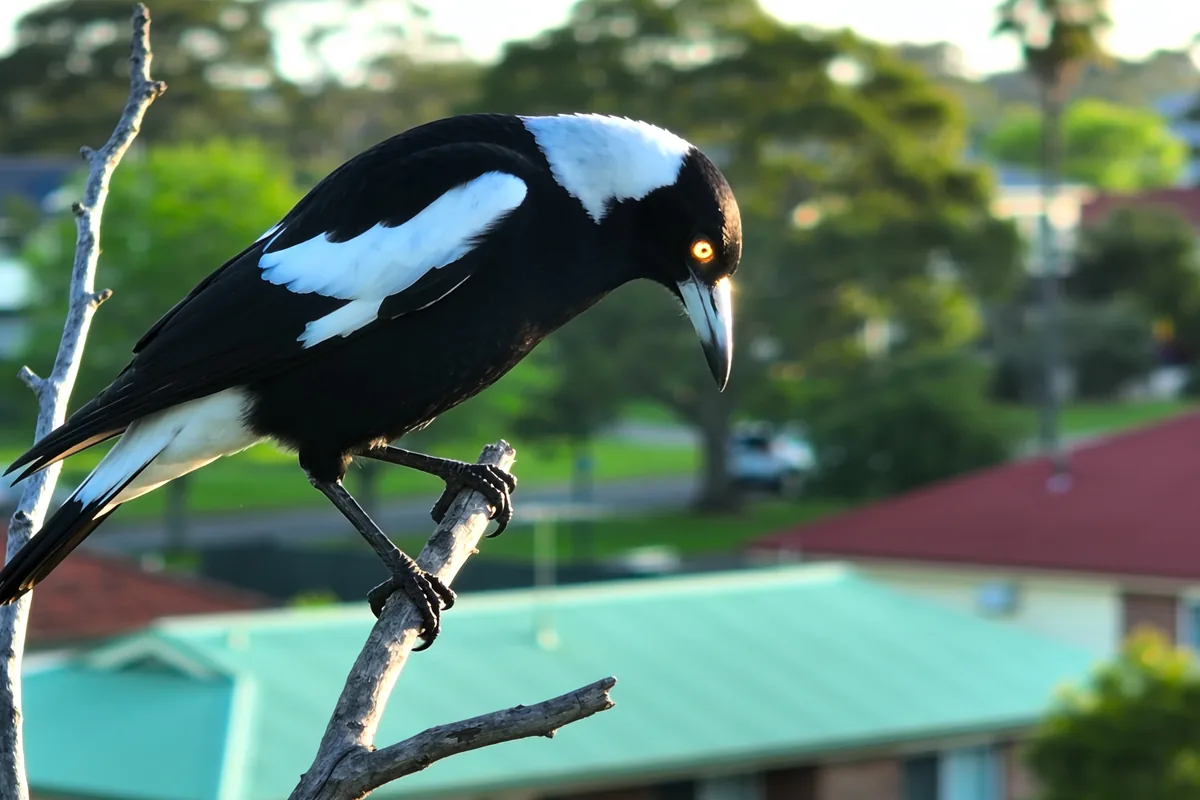
Here is the part most people have never been told, and it answers the question every swooped walker asks: magpies recognise individual human faces. They know the people who pass every day, treat them differently from strangers, and remember behaviour. It is one of the more remarkable pieces of Australian bird research, and it turns a random-feeling problem into a predictable one.
The pattern that follows is worth picturing. A regular passer-by is ignored, because the bird has seen them a hundred times and they have done nothing worth reacting to. A stranger near the nest is watched, because they are new. And someone who once waved a bag, swung at the bird or chased it off can be remembered and targeted the next time, by the same bird, sometimes for years.
There is one more twist in it: because the bird is responding to faces, two people walking the same path can have opposite seasons. One is left alone because the bird knows them; the other is watched because the bird does not, or because they are remembered from a spring when they did something the bird filed away. It is rarely random, and it is also not permanent. If you were swooped this year, you were likely near one nest in one fortnight. Next spring, the maths starts again.
The rules that work
The tactics that work are small, and they all come down to the same idea: not giving the bird anything to remember. The guidance below follows the advice state environment authorities give for the season, and every step in it is one you control.
Walk, do not run. Running is the response that reads as prey, and it keeps you inside the territory for longer. Walk through at your ordinary pace. It takes about a minute, and a minute is the whole exposure.
Keep your eyes on the bird when it is tracking you. Magpies dislike being watched, and a bird that knows it has been seen usually keeps its distance. This is also why the back of the head is the part they favour, and why a hat helps your nerves more than your safety.
If it does come, hold something between your head and the bird, and nothing more dramatic than that. Protect your head and eyes, keep moving, and leave it there. Do not wave the object and do not swing it. The dramatic moves are the ones that get remembered, and being remembered is the part of this problem that lasts.
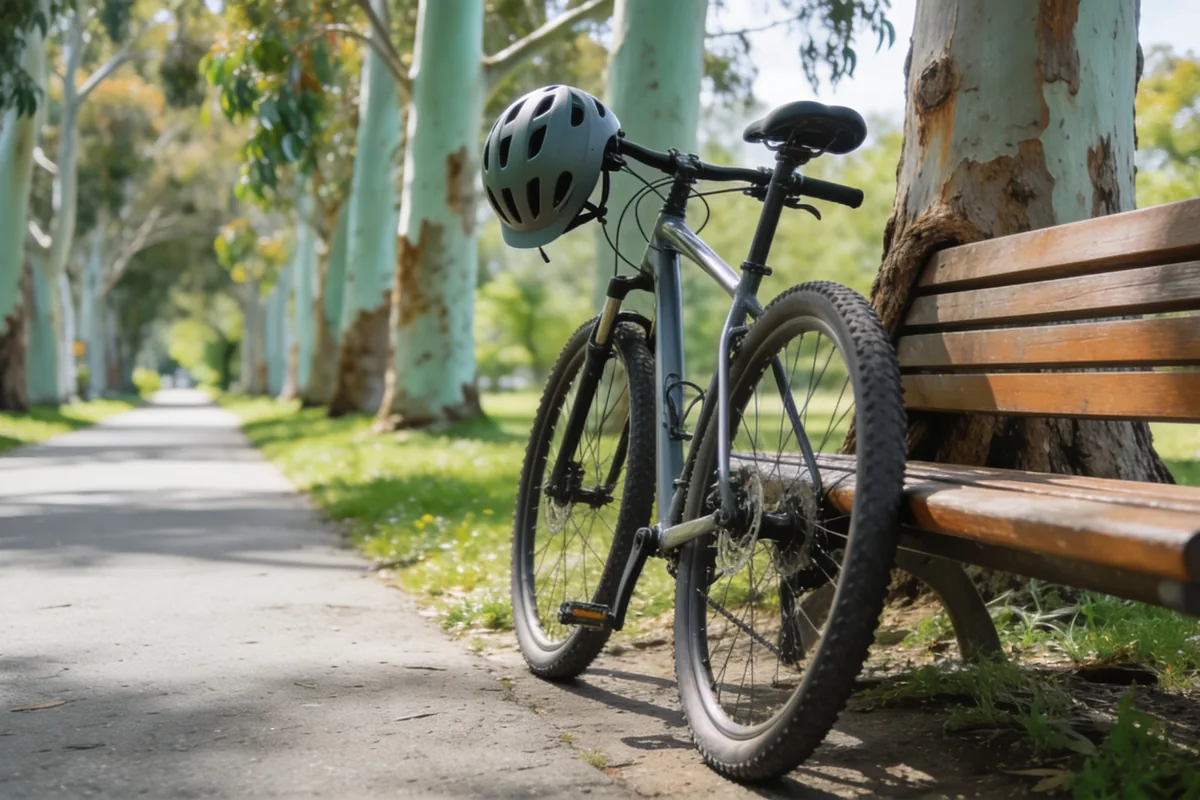
Cyclists should dismount and walk through the territory. A rider is faster than a walker and lower than one at the same time, and the bird responds to both facts. Walking the bike through the hundred metres or so is a minute of inconvenience against a helmet strike, and the trade is not close.
Dogs stay close, and on their lead through the patch. The bird is defending against ground threats, and a dog that is lunging or being chased changes the moment for everyone on the path, including the next walker through.
The same tactics scale down for children, with one adjustment: walk with them through the patch rather than sending them through it. A child’s first instinct is to run, and the speed is what turns a warning pass into a closer one. A school route with a known nest is worth a detour until the chicks fledge, and the detour is a fortnight.
None of this is dignified, and none of it needs to be. The bird is not grading your posture; it is reading your behaviour, and reading is the part you can influence.
What makes it worse
Feeding them is the affectionate mistake, and it is the most common bad idea in the whole season. Feeding draws more birds into a smaller area, it habituates them to people, and it does nothing about the swooping it was meant to soften. Magpies that associate people with food are magpies that come closer to people, and closer is not what anybody needs in October.
Waving, swinging and spraying are the other entries on the list, and they share one flaw: each of them marks you as memorable. A bird that has been swung at has a reason to keep watching the path, and if you use that path, you become the thing it watches for. The moment of satisfaction is real, and so is the cost of it, for you and for whoever walks the route next.
The instinct behind each of these is understandable, and the trap is identical in every case. The bird files the event away, and the file outlasts the moment of temper by a season or more. There is no version of escalation that ends with the bird deciding the footpath was not worth defending.
The one legal fact worth knowing
Magpies are protected native wildlife in every Australian state and territory. That makes harming one an offence, and it makes relocation a licensed process rather than a household solution, so the removal advice that circulates in forums is not something to try. The protection is not the obstacle here, though. The behaviour ends on its own, every year, on a schedule that has nothing to do with anything a person did.
The practical alternative to every bad idea is a plan. Know where the nest is, walk the detour on purpose, and mention it to the neighbours so the next walker through is not surprised. A street that knows which hundred metres to respect gives each other more than a spring of improvised retaliation ever could.
Play by their rules
The honest close is short, because the problem is. The bird that is swooping you will stop in about a fortnight, when the chicks fledge and the urgency passes. Next spring the nests may be elsewhere, the birds may be different, and your face, which a magpie can recognise, may have done nothing this year worth remembering.
So walk the route if it suits you, keep your pace steady, keep your eyes on the bird, and let the dog heel through the patch. You were already halfway to the fix before you opened this page. The rest is doing it on purpose, for a fortnight, and then the season is simply over. And if you were swooped last year, take the last word from the research: the next bird on that corner starts with no opinion of you at all.
Sources: BirdLife Australia – swooping season guidance; Australian Museum – magpie breeding and swooping behaviour; Queensland Department of Environment, Science and Innovation – staying safe in swooping season; The Conversation – research on magpie facial recognition.



 Healthcare1 year ago
SIL Providers: What to Compare Before You Commit
- Healthcare1 year ago
What Is Physiotherapy?
- Healthcare1 year ago
What a Dental Implant Replacement Costs in Melbourne
- Food1 year ago
Budget Bites: Delicious Meals You Can Cook for Under $10
- Healthcare1 year ago
What Changes When You Start SIL
- Tech1 year ago
Mental Health Apps and Wearables: What to Trust
- Home & Garden1 year ago
Gutter Upgrades Worth Doing Before You Sell
- Healthcare1 year ago
How to Put NDIS Community Participation Funding to Work